Top Ad 728x90

jeudi 23 avril 2026

MICHELLE OBAMA BREAKS HER SILENCE ON HER MOTHERS FINAL MOMENTS AND THE TRUTH IS HEARTBREAKING

by


Michelle Obama has long been regarded by the globe as a representation of power, composure, and steadfast fortitude. She has handled the challenges of the international scene with an elegance that appeared quite unbreakable, from her time in the White House to her return to private life. But behind the advocacy efforts and public speeches, there was a private world led by one strong woman: Marian Robinson, her mother. The news of Marian’s recent death at the age of 86 caused sadness to spread across the nation. Millions of people have been moved by Michelle’s recent, honest disclosure of her mother’s last moments, which offers a window into a daughter’s most intense anguish and the calm dignity of a lady who refused to be anything but herself, even at the very end.

Marian Robinson was more than just the “First Grandmother.” She was the unwavering beating heart of the Obama family to both those who knew her and the millions of people who observed her from a distance. She moved into the White House because her daughter needed her, not for the grandeur or the historical significance. She was the one who created a haven of normalcy in a home that was everything but normal, and she was the one who kept the daughters grounded while their father led the free world. Michelle has frequently said that her mother was her “rock,” the one who told her the truth when everyone else was making noise. The inevitable farewell was all the more painful because of that link.

The atmosphere of her mother’s last days was one of deep, weighty serenity, according to Michelle’s latest recollections. She talked about Marian’s unwavering quiet strength throughout her life, even as her health started to deteriorate. Michelle was devastated not just by the loss but also by the knowledge that the lady who had helped her navigate every significant turning point in her life was getting ready to embark on a journey that she would have to undertake alone. Michelle revealed that the family gathered around in those last hours, telling stories and laughing as they attempted to recreate the warmth Marian had given them for decades.

Michelle gave some really moving information about their last exchanges. In keeping with her personality, Marian had no interest in making big gestures or talking about leaving a lasting legacy. She was curious about the girls’ well-being. She wanted to make sure the people she cared about were looked after. Michelle recounted an epiphany in which her mother simply urged her to keep her feet on the ground while staring at her with that familiar, piercing gaze that could see through any White House protocol or political ploy. From a woman who had experienced some of the most important events in American history without ever losing her identity, it was a last lesson in humility.

Michelle mentioned the “heartbreaking truth” of the human frailty of witnessing a hero grow weary. The situation’s impotence was a new type of sorrow for someone as energetic as Michelle Obama. She talked about the subtle shift from being the cared-for daughter to the adult who had to offer consolation. Anyone who has ever sat a vigil at a loved one’s bedside will relate to Michelle’s account of holding her mother’s hand and feeling the strength that once moved mountains slowly fade away. There is a particular type of pain that comes with the role reversal of aging parents.

Michelle also discussed her mother’s legacy of silence and fortitude. Marian Robinson was raised on Chicago’s South Side amid a period of severe hardship and structural obstacles. She used that past as a guide for survival rather than as a burden. Michelle saw that her mother’s presence was a powerful enough statement to be heard without having to yell. It was like seeing a library of wisdom close its doors as that presence faded. Michelle was devastated to learn that her direct connection to her past—the woman who knew her before she became a worldwide celebrity—was finally severing.

The public’s response to these disclosures has been an outpouring of grief. The picture of Michelle Obama, one of the world’s most powerful women, just being a grieving daughter has touched people from all walks of life. It reminds us that the death of a mother is a universal equalizer, regardless of income, rank, or title. Even the strongest of us feel like lost children due to this fundamental change in the cosmos.

Michelle has been candid about the “fog of grief” that has descended upon her life in the weeks since the death. She talked about how, in a moment of farewell, her own world feels stuck while the outside world keeps moving along. Her mother’s possessions, the modest, commonplace objects that bear the memory and aroma of a lady who prioritized substance above flair, have given her comfort. Marian Robinson’s death has become a deeply personal story of love and grief because to these details, which were revealed with a tenderness that few public individuals ever dare to display.

Michelle uses this pain to convey a message of thankfulness. She highlights how fortunate she was to have had eighty-six years of Marian’s wisdom, despite the tears and the profound quiet that now occupies the spaces her mother formerly occupied. She talked about how she finds comfort in the knowledge that her mother survived to watch her daughter achieve a goal that would have been unimaginable only a generation ago and to witness her grandkids develop into amazing young women.

In the end, neither a dramatic incident nor a medical diagnostic reveals the tragic reality of Marian Robinson’s last moments. It can be found in the peaceful, uncomplicated truth of a daughter bidding farewell to her closest friend. It tells the tale of a woman who rose from modest beginnings, moved through the corridors of power without ever altering her gait, and departed the world with the same peaceful dignity that she had brought into it. We have all been reminded by Michelle Obama’s revelation that the most meaningful lives are frequently those that are lived with the greatest humility and that the greatest grief is frequently the price we pay for the greatest love. Marian Robinson’s legacy remains a shining example of what it means to be a mother, to be faithful, and to be solid as America grieves with her.

Brad Pitt’s daughter has broken her silence: ‘My dad used to… See more

by


The Weight of a Famous Name

Being the child of a celebrity like Brad Pitt comes with a unique set of circumstances. From birth, these children are often placed under a microscope, their lives documented and discussed by millions of strangers.

Unlike most families, where childhood unfolds in relative privacy, celebrity children experience:

  • Constant media attention
  • Public speculation about their personal lives
  • Pressure to live up to—or distance themselves from—their parents’ legacy
  • Limited control over their own narrative

Even seemingly small comments can become global headlines, especially when they hint at personal or emotional experiences.


Growing Up in a High-Profile Family

The family of Brad Pitt and Angelina Jolie has long been one of the most talked-about in the entertainment world. Their relationship, parenting style, and eventual separation have all been widely covered.

For their children, this means growing up in an environment where:

  • Personal moments can become public stories
  • Family challenges are discussed by media outlets
  • Privacy is often difficult to maintain

While both parents have expressed a desire to protect their children, the reality of global fame makes complete privacy nearly impossible.


The Meaning Behind “Breaking Silence”

When a headline claims that someone has “broken their silence,” it often suggests that they are sharing something deeply personal for the first time. However, it’s important to approach such claims with a critical mindset.

In many cases, these phrases are used to:

  • Capture attention
  • Encourage clicks and engagement
  • Frame a statement as more dramatic than it may actually be

That said, when a young adult from a high-profile family chooses to speak publicly—whether in an interview, social setting, or through indirect comments—it can still carry significant emotional weight.


The Power of a Single Sentence

The phrase “My dad used to…” is particularly powerful because it invites interpretation. It suggests a glimpse into the past, hinting at:

  • Childhood memories
  • Family routines
  • Emotional experiences
  • Personal reflections

But without full context, such statements can easily be misunderstood or taken out of proportion.

A simple anecdote about everyday parenting—something completely normal in most households—can be reframed as something controversial when viewed through the lens of celebrity culture.


Parenting Under Public Scrutiny

Parenting is challenging under any circumstances. But for public figures like Brad Pitt, those challenges are amplified by constant observation and judgment.

Every decision—from discipline to education—can be:

  • Criticized by the media
  • Debated by the public
  • Interpreted without full context

This creates an environment where even well-intentioned actions can be misunderstood.


The Children’s Perspective

As children grow older, they begin to form their own identities separate from their parents. For those raised in the spotlight, this process can be particularly complex.

They may feel:

  • A desire to share their own voice
  • Frustration with public assumptions
  • Pressure to clarify or correct narratives
  • A need to establish independence

When they do speak, their words often carry more weight than intended—not because of what they say, but because of who they are.


Media Amplification and Misinterpretation

Modern media thrives on engagement. Headlines are often designed to provoke curiosity, emotion, or controversy.

A statement like “My dad used to…” can quickly be:

  • Taken out of context
  • Paired with speculative interpretations
  • Spread across platforms without verification

This can lead to a cycle where:

  1. A small comment is made
  2. Media outlets amplify it
  3. Social media reacts
  4. New narratives are created

By the time the story reaches a wide audience, it may look very different from its original form.


The Role of Social Media

Social media has changed how stories are shared and consumed. Platforms allow information to spread instantly, often without fact-checking or context.

This can result in:

  • Rapid انتشار of incomplete information
  • Emotional reactions based on headlines alone
  • Increased pressure on individuals to respond or clarify

For celebrity families, this means that even private matters can become public discussions overnight.


Privacy vs. Public Interest

One of the biggest challenges in stories like this is balancing public curiosity with personal privacy.

While fans may feel connected to celebrities and their families, it’s important to remember that:

  • These are real people with real emotions
  • Not every detail needs to be public
  • Respecting boundaries is essential

The line between public interest and personal intrusion is often blurred, especially when it comes to family dynamics.


Understanding Family Complexity

Every family has its own dynamics—moments of joy, challenges, misunderstandings, and growth. This is true whether the family is famous or not.

Statements about the past, such as “My dad used to…”, can reflect:

  • Changing relationships over time
  • Personal growth and reflection
  • Shifts in perspective as children become adults

What may have felt one way during childhood can be understood differently later in life.


The Impact on Public Perception

When stories like this emerge, they often influence how the public views the individuals involved.

For Brad Pitt, decades of work and public image can be affected by:

  • A single headline
  • Partial information
  • Speculative narratives

This highlights the power—and responsibility—of media and audiences alike.


The Importance of Context

Without full context, it’s impossible to fully understand the meaning behind any statement.

Questions worth considering include:

  • Where was the comment made?
  • Was it part of a longer conversation?
  • What was the tone—serious, reflective, casual?
  • Has it been verified by reliable sources?

Taking a moment to ask these questions can help prevent misunderstandings.


A Broader Conversation About Celebrity Culture

This situation reflects a larger issue within modern culture: our fascination with the personal lives of public figures.

While it’s natural to be curious, it’s also important to recognize:

  • The difference between public work and private life
  • The impact of speculation on real people
  • The value of empathy and restraint

Celebrity stories often say as much about society as they do about the individuals involved.


Moving Beyond the Headline

Headlines are designed to grab attention—but they rarely tell the full story.

Instead of focusing solely on dramatic phrases like “broken her silence,” it can be more meaningful to consider:

  • The human experience behind the story
  • The complexities of family relationships
  • The challenges of growing up in the public eye

This shift in perspective allows for a more thoughtful and respectful understanding.


mercredi 22 avril 2026

MERYL STREEP BREAKS HER SILENCE ON MELANIA TRUMP WITH A DEVASTATING CRITIQUE OF THE INFAMOUS JACKET THAT SHOCKED THE WORLD

by


Few moments have resonated with as much intellectual intensity as Meryl Streep’s recent in-depth exploration of the semiotics of political fashion, despite the fact that the junction of Hollywood royalty and political power has long been a place of great tension. The three-time Academy Award winner focused her analytical attention on one of the most contentious fashion moments in American history—Melania Trump’s decision to wear a green Zara jacket with the words “I Really Don’t Care, Do U?” while visiting detained migrant children at the border—during a lengthy and intense interview with Vogue. Using one word to capture a history of perceived indifference and the weaponization of image, Streep, who is renowned for her painstaking attention to detail and her ability to inhabit the psyches of complex women, did more than just critique a garment—rather, she examined the whole spirit of a political era.

For Streep, the jacket was never an error or a poor decision made by a stressed-out First Lady. Rather, she reinterpreted it as a cold-blooded statement. According to her, the idea of a neutral wardrobe completely vanishes when a person has a position of worldwide impact. Every hue, every thread, and every slogan enters the public conversation. According to Streep, Melania Trump sent the most impactful and sincere message of her time in the East Wing by opting to wear that particular phrase during a humanitarian crisis involving vulnerable children. Streep argues that in the world of great power, clothes is either a weapon used to convey a frigid, impenetrable detachment from the governed or a tool for softening the sharp edges of authority, cutting through the conventional defenses of fashion being a superficial concern.

The renowned actress went one step further and made a stark and disturbing comparison between the behavioral rhetoric of Donald Trump’s presidency and the visual rhetoric of the First Lady’s clothing. In particular, Streep connected the jacket to the notorious incident in which Donald Trump made fun of a handicapped reporter while on the campaign trail. According to Streep, these were a coordinated normalizing of humiliation and indifference rather than individual instances of bad taste. She contended that there is a trickle-down effect when top government officials openly ignore the dignity of others, whether through verbal abuse or a slogan written on a coat. By telling the public that empathy is a sign of weakness and apathy is a show of strength, it legitimizes a culture of daily cruelty.

Streep’s distinct viewpoint as a performer who recognizes the importance of costumes lends weight to her remarks. She pointed out that a character’s attire in a movie reveals their identity to the viewer before they even say a line of dialogue. Melania Trump was acting on a global platform when she boarded that aircraft, and her outfit was a protest against the idea of compassion itself. Streep’s analysis focuses on the tremendous psychological effects of witnessing a leader openly express their indifference to the pain of others rather than the brand or price of the jacket. According to Streep, the jacket was an act of “permissioning,” a means for powerful people to convey to the world that they are untouchable and that the suffering of the underprivileged does not even merit the appearance of concern.

This criticism compels us to reconsider how we perceive the public leaders who serve as the country’s representatives. According to Streep, the “I Really Don’t Care” jacket was the point at which the mask came off, exposing a basic gap between the administration and the human consequences of its actions. Streep is opposing the widespread forgetfulness that frequently follows political scandals by revisiting this wound years later. She is adamant that we cannot disregard the messages that influential people choose to wear on their backs because they eventually get ingrained in our society. A lack of empathy at the highest levels of leadership eventually seeps into the interactions of common people.

Streep spoke with a serious, urgent tone the entire time. She resisted the notion that Melania was a silent, possibly unwilling, participant in the administration’s publicity. Streep gives the former First Lady agency again by emphasizing the jacket as a conscious decision, implying that she was well aware of what she was doing and who she was speaking to. The garment was a middle finger to the critics and a statement to the base, not for the kids at the border. Streep’s analysis transforms the discussion from celebrity rumors into a serious investigation into the ways in which power is consolidated and the powerful are shielded from the repercussions of their actions.

A broader discussion over the First Lady’s role and the demands of public service has already started as a result of Streep’s remarks. Is a First Lady allowed to her own personal, even cynical, opinions, or should she serve as a symbol of national empathy? Streep’s position is unambiguous: you give up the right to “not care” when you represent a country. The burden of representation is the price of authority, and to publicly reject it is an insult to the office itself. The jacket, she claimed, was a visible message that the wearer was above the emotional demands of the moment and a rejection of the social contract.

Ultimately, Streep’s one-word statement—which struck to the core of the indifference she saw—serves as a reminder that historical relics are more than simply sculptures and records; they are also the symbols we wear. As a testament to a particular kind of contemporary leadership that takes delight in its apparent immunity to criticism, the Zara jacket has become an enduring feature of American political imagery. Because of Streep’s involvement, the jacket will be remembered as a pivotal moment of cultural signaling rather than as a fashion faux pas. She reminds us that empathy is a decision and that lacking it on a worldwide scale turns into a weapon that can cause pain long after the item has been stored away in a closet. By bringing this incident back into the spotlight, Streep is challenging the public to think about the messages they are prepared to accept from individuals in positions of authority and whether we can afford a society in which those in positions of authority “really don’t care.”

BOBBY BRADY IS ALL GROWN UP AND HIS RADICAL TRANSFORMATION AT AGE 65 HAS THE ENTIRE WORLD RUBBING THEIR EYES

by


As the cherubic, dark-haired youngest brother on the classic sitcom The Brady Bunch, Mike Lookinland will always be immortalized for millions of individuals who grew up in the 1970s. As Bobby Brady, his youthful exploits and family disputes were beamed into living rooms all around the world, making him an icon of mid-century American innocence. But time is an unstoppable force, and the former child star’s latest public appearance has shocked admirers online, making it difficult for them to reconcile the 65-year-old man in front of them with the wide-eyed boy of their childhood.

After the 2025 Chocolate Expo, which took place at the New Jersey Exposition Center in Edison, the digital firestorm started. Lookinland stepped out of his private life to interact with the public on March 29, making an uncommon and unexpected public appearance. The response was immediate and emotional as pictures and videos from the event started to go viral on social media. Fans who had grown up with the Brady family were looking at their televisions in shock, and many of them acknowledged that if his name hadn’t been prominently displayed, they would never have recognized the television icon.

These viral posts’ comments sections turned into a virtual town square for collective shock and nostalgia. He still has a youthful spark, according to one fan, but his shock of gray hair is a sharp reminder of the decades that have passed. Some commented that they felt very old when they saw Bobby Brady as a senior person, expressing a sense of their own mortality. Thousands of others who felt as though a portion of their own childhood had abruptly and permanently moved into a different age shared this sentiment. The delicate features of the young boy have given way to the distinguished, weathered lines of a man who has lived a rich and complex life well beyond the artificial lights of a studio, making the metamorphosis truly remarkable.

Lookinland, who was born in Mount Pleasant, Utah, in 1960, became well-known very quickly. At the age of eight, he was cast as Bobby Brady, a role that would define his public persona for the remainder of his life. The Brady siblings became cultural icons as a result of the show’s great success. However, Lookinland faced the difficult task that has befallen so many young actors as the show came to an end and the cameras stopped rolling: the shift from childhood fame to adult reality. He has been remarkably open about the challenges of this time, notably stating that he was too busy working to truly experience childhood, so he practically lived it in his 20s.

Delaying adolescence turned out to be a risky course. Lookinland went “fully off the rails” in his twenties with a car, money, and an unprecedented degree of freedom. He acknowledged that he became addicted to alcohol as soon as he had a drink, which led to a profound and harmful relationship. He battled substance abuse for a number of years, a battle that was kept out of the public eye in a time before social media monitoring and the 20-hour news cycle. He has frequently expressed his deep appreciation that, in his darkest moments, high-definition cameras weren’t in every pocket, pointing out that the scrutiny of the contemporary digital era would have probably destroyed his life.

The moment the decision turned into a life-or-death situation marked a turning point. Lookinland took the painful, deliberate choice to live after realizing he was headed toward death. He embarked on recovery with a passionate drive that has now endured for decades. He married Kelly Wermuth in 1987, and he attributes a large portion of his success to her. Together, they raised two children away from the superficiality of Hollywood and created a life grounded in truth.

Lookinland’s journey toward reinvention took an intriguing and tangible turn. He sensed a called toward something even more concrete after working behind the scenes in film production for twenty years, a job he considered more grounded than performing. He famously told his wife he was leaving the entertainment business permanently after picking up a book called How to Make Concrete Countertops. He exchanged the “fake” world of makeup, costumes, and scripts for the durability and grit of concrete. He noted that, in contrast to the entertainment industry, the outcomes of his job were genuine, substantial, and long-lasting. He found great satisfaction in the artistic and manual labor of his new vocation.

His decision to stop acting was the result of a childhood awareness rather than an impulsive decision. He realized that nothing in the industry was real even at the age of eight. As he grew older, he yearned for a life that needed him to use his hands and his own power because he could see through the contrived emotions and the artifice of the sets. He even tried to price himself out of the business by asking double compensation for the Variety Hour, a strategy that backfired when the producers just agreed to the boost, but his heart was always leaning toward the exit, even if he briefly reprised his role in several Brady Bunch specials.

At sixty-five, Mike Lookinland is a man who has successfully negotiated the perilous seas of early celebrity and come out on the other side with his health and dignity intact. Although his gray hair and elderly features may make admirers cringe, his metamorphosis goes deeper than that. It is a picture of a guy who overcame his obstacles and opted for a calm, moral life over the empty echoes of former fame.

For many, seeing him at the 2025 Chocolate Expo was a moving experience. It served as a reminder that, despite our desire for our idols to remain immortalized in the amber of our favorite TV series, they are people with the right to grow older, evolve, and find joy in the most unlikely places. Although Mike Lookinland may not resemble the young man who once won over the hearts of a country, the man he has grown into—a sober, industrious father and craftsman—is a far more remarkable person than the persona he left behind. His images, which are still generating discussion on the internet, are a potent illustration of the idea that although celebrity is ephemeral, the ability to start over is enduring.

8 of the Best Anti-Cancer Foods. It’s Time to Start Adding them to Your Diet

by


According to the American Cancer Society, the average adult in the United States has about a forty percent chance of developing cancer during their lifetime [1]. Because it is such a prevalent disease, doctors and scientists are constantly searching for treatments and cures. When it comes to cancer research, one of the main focuses is prevention. While most experts agree that there is nothing you can do to guarantee that you will not develop cancer, there are many lifestyle factors that can help decrease your risk significantly.


Advertisement

One of these is diet. Eating certain anti-cancer foods, while not likely to actively fight cancer, can help prevent it. “Research tells us that making healthy food choices consistently over time can reduce your risk of getting cancer, but you can’t say with absolute certainty that food can prevent cancer,” says wellness dietitian Lindsey Wohlford. “There are no guarantees.” [2]


The dietary habits that affect cancer risk can be attributed to having too much of some things, and too little of others.

Hamburger and Onion Rings The Popular Fast Food Meal

Source: Shutterstock

Too much red & processed meats, alcohol, refined carbohydrates, fried foods, and sugars, can increase your cancer risk. So too can too little exercise and too few phytochemical-rich foods [3]. You may have heard the term “anti-cancer foods” before. To be clear, there are no foods that can actually fight against cancer, however, there are some foods that, when consumed regularly, provide your body with certain nutrients that it needs in order to effectively prevent cancer from developing.


“Anti cancer foods” are usually plant foods that contain phytochemicals (mentioned above). Also referred to as phytonutrients, these chemicals are compounds found in plants that can help prevent a number of chronic diseases, including cancer [2]. In order to decrease your risk of developing cancer, doctors, dietitians, nutritionists, and other health care practitioners recommend that you eat a variety of phytochemical-rich fruits and vegetables on a regular basis.


Read More: Woman Was Diagnosed With Colon Cancer at 32. Here Were Her First Symptoms


8 Anti Cancer Foods to Help Lower Cancer Risk

Ingredients of healthy diet that maintains or improves overall health status

Source: Shutterstock

Wohlford says that the best way to get the most protection from cancer is to eat a variety of fruits and vegetables, and the easiest way to do this is to “eat the rainbow”- that is, choose a wide variety of colors when you’re at the grocery store. “Keep in mind that there are more than 4,000 phytochemicals that have been discovered and researched,” she says. “There’s not any one super-food that contains all of them. They all offer different functions and benefits.” [2] The following foods are known as cancer-fighting powerhouses. This is by no means an exhaustive list, but including them in your diet is a good start to lowering your cancer risk.


1. Cruciferous Vegetables


Source: Shutterstock

Cruciferous vegetables include arugula, bok choy, broccoli, Brussels sprouts, cabbage, cauliflower, kale, and turnips, among many others. They are rich in a number of important nutrients, including carotenoids (beta-carotene, lutein, and zeaxanthin), vitamins C, E, and K, folate, and minerals [4].


These hearty vegetables are also an excellent source of glucosinolates, indoles, and isothiocyanates, which are the sulfur-containing chemicals that give cruciferous vegetables their pungent aroma. These compounds have been associated with a lower risk of lung and colorectal cancer [5]. Research has indicated that eating cruciferous vegetables can lower your risk of developing several types of cancers, including prostate, colorectal, lung, and breast cancer [4].


2. Turmeric

Turmeric powder on a wooden spoon with fresh whole and sliced root in the background

Source: Shutterstock

This popular, bright orange spice comes from the root of the turmeric plant and is related to the ginger family. There are over one hundred different compounds in turmeric, but the curcumin it contains is the active ingredient that provides most of its benefits [6]. There is some research to show that turmeric may play a role in the prevention of cancer, possibly because it lowers inflammation levels throughout the body.


Inflammation underlies most chronic diseases, including cancer, so decreasing inflammation in your body can help to prevent it. Other studies suggest that including curcumin in chemotherapy treatment may make it more effective [7] and that it may protect healthy cells from damage due to radiation treatment [8].


3. Mushrooms

Wicker tray with variety of raw mushrooms on wooden table

Source: Shuttestock

A study of over 36 thousand Japanese men over several decades has suggested that eating mushrooms can lower the risk of developing prostate cancer, especially for men over the age of 50 [9]. Mushrooms are a good source of vitamins, minerals, and antioxidants, in particular L-ergothioneine, which is believed to mitigate oxidative stress. Oxidative stress is caused by poor diet and lifestyle choices, as well as environmental toxins, that can lead to chronic inflammation and disease [9].


Another study also found that consuming mushrooms had a preventative effect on breast cancer in women [10]. Medicinal mushrooms, which usually refer to more exotic, specialty mushrooms, have also shown promise in preventing cancer, again because of their glutathione, ergothioneine, and polysaccharide content [11].


Examples of these kinds of mushrooms include reishi, turkey tail, shiitake, and maitake varieties. Studies have found that these fungi affect your body’s antitumor mechanisms, by stimulating certain immune cells [12]. Turkey Tail is particularly notable and contains a unique polysaccharide known as PK (polysaccharide K), a known cancer adjunct therapy for the immune system [21].


Read More: The Best Foods to Include In Your Diet to Help Reduce Skin Cancer Risk


4. Allium Vegetables

yellow onion half isolated on white background close up

Source: Shutterstock

Allium vegetables include onions, shallots, leeks, and garlic. While studies of these vegetables’ effect on cancer have been observational, scientists around the world have consistently found a link between eating garlic and onions and preventing cancers of the gut, like colon cancer [13]. In fact, a 2019 study of over 1600 Chinese men and women found that those who ate more garlic and onions had a 79 percent lower chance of developing colorectal cancer [14].


5. Wakame

Chopsticks with Japanese seaweed salad in bowl on table, closeup

Source: Shutterstock

There have been some animal and lab studies to suggest that eating wakame, an edible type of seaweed, can suppress the growth of breast cancer, colon cancer, and kidney cancer cells [15,16]. The success of these studies has not yet been replicated in humans, so more research is necessary to determine the exact role that wakame plays in cancer prevention.


Wakame is also an excellent source of iodine, an essential mineral. When it comes to iodine and disease prevention, studies have shown that either too much or too little can have an effect when it comes to reducing your risk of thyroid cancer [22]. So in this case your goal should be to obtain adequate iodine from your diet. Wakame on average contains around 42mcg [23] of iodine per serving, which is about 28% of your daily intake [24].


6. Lycopene-Rich Foods

Foods rich in lycopene with text Lycopene. Natural food sources of lycopene: tomato, grapefruit, pomegranate, red bell pepper, mango, red onion, cherries and carrot. Health care concept.

Source: Shutterstock

There is a growing body of research to suggest that consuming foods rich in lycopene can lower your risk for certain types of cancer, particularly prostate cancer [17]. Lycopenes are a type of antioxidant in the carotenoid family that gives tomatoes, watermelons, and grapefruits their red and pink colors. As a whole, carotenoids have been associated with a lower risk of lung and colorectal cancer [18]. Tomatoes*, guava, watermelon, papaya, grapefruit, and cooked red peppers are all good sources of lycopene.


*Note: Lycopene is actually more concentrated in processed tomato products like sauces, and pastes, and is not degraded by the cooking.


7. Beta Carotene-Rich Foods

Food rich in beta carotene with text Beta Carotene. Various fruits and vegetables as natural sources of beta carotene. It is an organic red-orange pigment abundant in plants.

Source: Shutterstock

Dietary carotenoids* have been linked to a lower risk of developing lung cancer, however, more research needs to be done to determine the effect of consuming beta-carotene through food on cancer prevention  [18]. Carrots, sweet potatoes, and dark leafy greens like kale and spinach are excellent sources of beta-carotene.


*Note: Supplemental beta-carotene has not shown the same effect. In fact, it may increase cancer risk [18]. It’s always best to get your beta-carotene from foods.


8. Fatty Fish

Fresh raw salmon fish steaks on white kitchen background

Source: Shutterstock

There is some research to suggest that including a few servings of fatty fish, such as albacore tuna, salmon, Atlantic herring, mussels, anchovies, and sardines every week can reduce your risk for developing certain cancers. This is likely because of their high vitamin D and Omega-3 fatty acid content, both of which are believed to reduce the risk of disease, including cancer [19,20].


Honorable Mentions

Assorted of berries on red plate. Raspberry, blackberry, and blueberry on black background

Source: Shutterstock

This is by no means a definitive list of the best foods to prevent cancer, and there are many other anti cancer foods that also contain important nutrients that reduce your risk of disease. Other cancer-fighting foods include berries and citrus fruits, lentils, legumes and eggs, whole grains like brown rice and oatmeal, olive oil, and green or white tea [2].


As previously mentioned, what you don’t eat can be just as important in terms of cancer prevention, and limiting your intake of processed meats, fried foods, refined carbohydrates, and sugar can also reduce your risk for disease. Additionally, other lifestyle factors, such as smoking, heavy alcohol consumption, a lack of physical activity, and chronic stress can also increase your risk for cancer [2].


Do Your Best to Decrease Your Risk

Young woman eating healthy food sitting in the beautiful interior with green flowers on the background

Source: Shutterstock

Although there is nothing you can do to bring your risk of developing cancer to an absolute zero, eating a healthy, plant-focused diet that is low in processed foods, getting plenty of exercises, drinking water, and avoiding risky behaviors like smoking or excessive drinking can reduce your risk significantly. This type of lifestyle will also help you to feel better overall, and you will have more energy to engage in the activities you enjoy. We may not be able to prevent cancer entirely, but we can create an internal environment that promotes health and vitality.

The link between ovarian and breast cancer

by


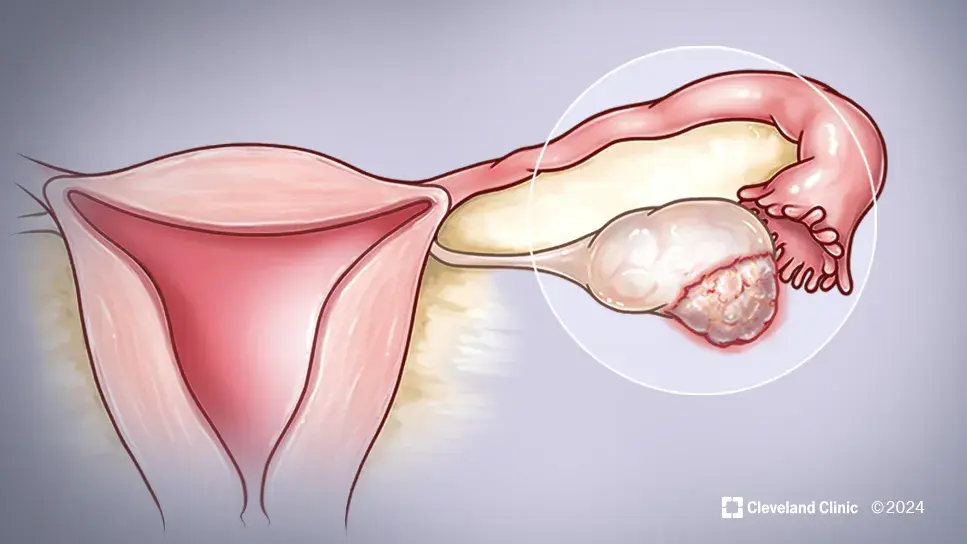
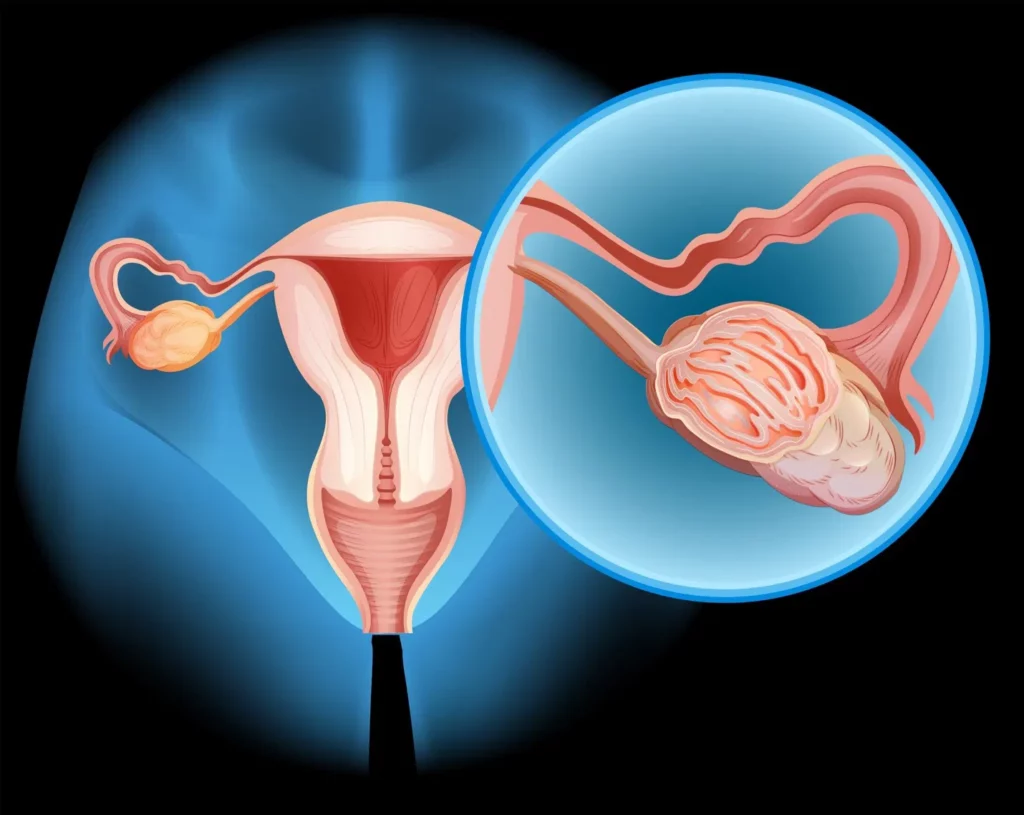
Ovarian and breast cancer are among the most common types of cancer affecting women. Although they develop in different parts of the body, scientists agree that the two can be biologically connected — particularly through genetics.

A clear connection between these two cancers is the presence of mutations of  in the BRCA1 and BRCA2 genes.

According to the American Cancer Society, women diagnosed with breast cancer may have an increased risk of developing ovarian cancer.

In fact, those with breast cancer are twice as likely to develop ovarian cancer at some point in their life.

The link between ovarian and breast cancer.

Research suggests that women who carry a BRCA1 mutation have up to a 72% lifetime risk of breast cancer and up to a 44% risk of ovarian cancer.

Those with a BRCA2 mutation face up to a 69% risk of breast cancer and a 17% risk of ovarian cancer.

Either parent can pass down these genetic mutations through generations, which is why having a family history of either cancer can increase your personal risk—even if no relative has had both types.

Women coming from families where most of the females have had any of these two forms of cancer may consider testing for BRCA mutations.

The link between ovarian and breast cancer.

Understanding your genetic makeup can offer a more targeted approach to cancer prevention and early detection in collaboration with your healthcare provider.

Other shared factors are older age, obesity, never carrying a pregnancy to term or never falling pregnant, and long-term use of hormone replacement therapy after menopause.

Some women try to lower their cancer risk through preventive (prophylactic) surgeries, such as a mastectomy (removal of the breasts) or an oophorectomy (removal of the ovaries and fallopian tubes).

For some high-risk individuals, doctors may prescribe medications like tamoxifen to help reduce the chances of developing breast cancer.