Top Ad 728x90

samedi 18 avril 2026

Democrats File Bill Related to the 25th Amendment and President Trump

by


House Democrats have recently introduced new legislation aimed at creating a formal and structured process to evaluate the fitness of a sitting U.S. president to carry out official duties under the Constitution.

The proposal has drawn significant attention in Washington, as it relates directly to the 25th Amendment, which outlines procedures for presidential succession and incapacity in cases where a president is unable to perform required responsibilities.

According to the legislation, the goal is not immediate removal of any specific president, but rather the establishment of an independent framework to assess presidential capacity when serious concerns are raised.

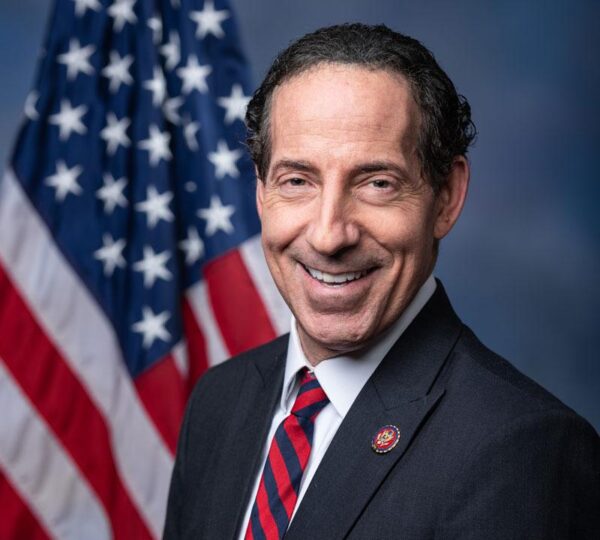
The initiative has been associated with Representative Jamie Raskin and other Democratic lawmakers who argue that clearer mechanisms are needed to evaluate presidential fitness in extreme or uncertain situations.

The bill currently includes approximately 50 Democratic co-sponsors, reflecting a level of internal party support, though it remains far from bipartisan agreement in Congress.

Under the proposed legislation, a 17-member bipartisan commission would be created to review concerns related to a president’s physical or psychological ability to serve effectively.

This commission would consist of former high-ranking officials appointed by congressional leadership from both major political parties in order to ensure balance and independence.

The structure is intended to reduce partisan influence by including experienced individuals who are no longer serving in active government roles.

The commission would be authorized to assess whether a president is “mentally or physically unable to discharge the powers and duties of the office,” based on established medical or professional evaluations.

In certain circumstances, the commission could recommend a comprehensive medical or cognitive examination if credible concerns about presidential capacity are formally presented.

Supporters of the proposal argue that such a system would provide a more organized and transparent process for addressing questions of presidential fitness under the 25th Amendment.

Representative Jamie Raskin, who introduced the bill, has stated that the intent is to protect constitutional stability and ensure accountability at the highest level of government.

He has publicly expressed concern about what he describes as declining public trust in presidential decision-making and the overall stability of executive leadership.

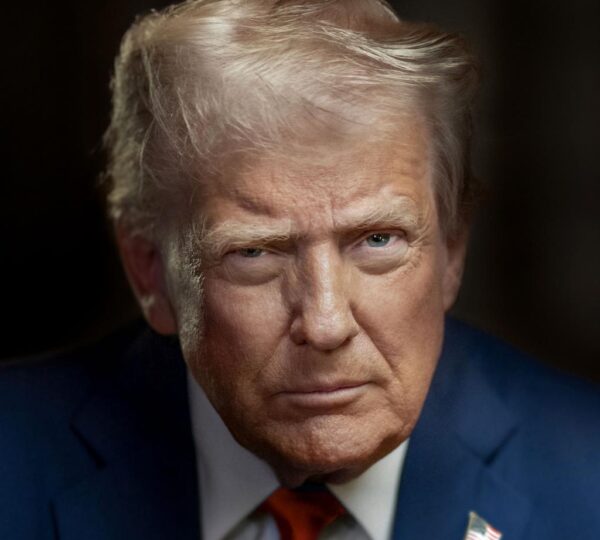
Raskin has pointed to several controversial statements and actions by President Donald Trump as contributing factors in the broader debate over presidential fitness.

Among the examples he referenced were comments related to international conflicts, including tensions involving Iran and the wider Middle East region.

He also criticized statements that he described as inflammatory or inconsistent with traditional diplomatic norms, arguing that such rhetoric could contribute to global instability.

In addition, Raskin referred to a controversial social media post that appeared to depict the president in a religious context, which sparked debate and criticism from various political observers.

The combination of these incidents has been cited by supporters of the bill as justification for creating a formal review mechanism under the 25th Amendment framework.

Raskin stated that Congress has a constitutional responsibility to ensure that mechanisms exist to respond to potential presidential incapacity in a structured and lawful manner.

He also argued that national security considerations should be part of any discussion regarding the ability of a president to perform executive duties effectively.

The proposal comes at a time of heightened political division in the United States, with strong disagreements between Democrats and Republicans over presidential conduct and authority.

Nearly 100 Democratic lawmakers have reportedly expressed support for invoking the 25th Amendment in relation to President Trump, according to public statements and media reports.

These calls have followed controversial remarks made by the president regarding international conflicts, including warnings about possible consequences if certain geopolitical conditions were not met.

Some of these statements have been interpreted differently across political lines, contributing to ongoing debate about executive communication style and foreign policy messaging.

The legislative proposal itself does not directly invoke the 25th Amendment, but instead seeks to create a process that could inform future decisions related to it.

Under the Constitution, the 25th Amendment requires the vice president and a majority of cabinet members to agree before a president can be removed due to incapacity.

This high threshold makes actual removal under the amendment extremely rare and politically complex, requiring broad executive agreement.

Even if the proposed commission were established, its recommendations would not automatically trigger removal but would instead serve as advisory findings.

Any final decision under the 25th Amendment would still depend on constitutional procedures involving the vice president and cabinet officials.

Because of these requirements, legal and political analysts widely consider the actual removal of a sitting president through this process to be highly unlikely.

Republican lawmakers are expected to strongly oppose the legislation, particularly given the current balance of power in Congress.

With Republicans controlling key legislative positions, the bill faces significant procedural and political obstacles before it could advance to a final vote.

Opponents argue that the proposal is politically motivated and could set a precedent for using medical or psychological assessments in partisan disputes.

The White House has also responded strongly to the proposal, rejecting claims about presidential incapacity and defending President Trump’s performance in office.

A spokesperson for the administration criticized Representative Raskin’s comments, describing them as politically driven and sharply disputing allegations regarding mental fitness.

The statement also referenced comparisons with previous administrations, arguing that concerns about cognitive health have been inconsistently applied in political debates.

The administration emphasized that President Trump remains active, engaged, and fully capable of fulfilling his constitutional responsibilities.

Supporters of the president have similarly rejected the proposal, characterizing it as an attempt to undermine his authority through legislative means.

They argue that political disagreement should be addressed through elections rather than through commission-based assessments of fitness for office.

At the same time, supporters of the bill maintain that the intent is not political removal but institutional preparedness in rare and serious situations.

They argue that the United States should have clearer procedures in place to address potential incapacity at the highest level of government leadership.

The discussion has contributed to broader national debate about presidential power, accountability, and the balance between political judgment and constitutional safeguards.

Legal experts note that while the 25th Amendment provides a mechanism for addressing incapacity, it was designed for extraordinary circumstances rather than routine political disagreement.

Historically, the amendment has rarely been invoked in contested political environments, and its use remains highly sensitive.

As the debate continues, the proposed legislation is expected to face lengthy discussions in congressional committees before any further progress can be made.

Given the current political composition of Congress, most analysts believe the bill has a limited chance of becoming law in its present form.

Nevertheless, the proposal has already intensified discussions about presidential health, transparency, and the mechanisms available under the U.S. Constitution.

The broader issue remains part of ongoing political tension in Washington, where debates over executive authority continue to shape legislative priorities and public discourse.

At this stage, the proposal remains in its early legislative phase, with its future dependent on further debate, committee review, and political negotiation.

Many people follow extreme diets without proper guidance, which can lead to serious health problems.

by


The Rise of Extreme Diet Trends

Over the past decade, dieting has evolved far beyond traditional calorie counting. Social media platforms are filled with influencers promoting everything from juice cleanses to all-protein diets, from raw-only eating to single-food regimens.

Some of these diets are marketed as “miracle solutions”—quick fixes for weight loss, glowing skin, or increased energy. They often come with bold claims:

  • “Reset your body in 7 days”
  • “Detox your system naturally”
  • “Lose weight without effort”

While some dietary approaches can be beneficial when done properly and under guidance, extreme restrictions—especially those involving eating only one type of food or eliminating entire nutrient groups—can be dangerous.

The woman at the center of this story reportedly adopted such an extreme approach. Though details may vary depending on the source, the pattern is familiar: a diet that severely limited nutritional intake over time, eventually leading to serious health complications.


What Happens When the Body Is Deprived

The human body is incredibly resilient, but it also depends on balance. It requires a wide range of nutrients to function properly—proteins, carbohydrates, fats, vitamins, and minerals.

When a person consumes only one type of food or drastically limits their diet, several things can happen:

1. Nutrient Deficiencies
Different foods provide different nutrients. A single-food diet cannot meet all of the body’s needs. Over time, deficiencies in essential vitamins and minerals can lead to ضعف, dizziness, weakened immunity, and organ مشاكل.

2. Electrolyte Imbalance
Electrolytes like potassium, sodium, and magnesium are crucial for heart function and muscle contractions. Imbalances can lead to serious complications, including irregular heart rhythms.

3. Muscle Loss and Fatigue
Without adequate protein and calories, the body begins to break down muscle tissue for energy. This leads to ضعف شديد and exhaustion.

4. Organ Stress and Failure
Long-term deprivation can place immense stress on organs such as the liver, kidneys, and heart. In severe cases, this can lead to organ failure.

5. Mental and Emotional Impact
Extreme dieting can also affect mental health, leading to anxiety, obsessive behaviors around food, and social isolation.

In tragic cases—like that of this 27-year-old woman—the consequences can become fatal.


The Influence of Online Misinformation

One of the most concerning aspects of stories like this is how often they are connected to online trends.

Social media has created a space where anyone can share advice, regardless of their qualifications. A person with a large following can promote a diet that appears convincing, complete with before-and-after photos, testimonials, and confident claims.

But popularity does not equal credibility.

Many extreme diets lack scientific backing. Some are based on misunderstandings of nutrition, while others are simply unsafe. Yet they can spread rapidly, reaching thousands or even millions of people.

For someone seeking change—whether for health, appearance, or self-confidence—these messages can be persuasive.

The woman in this story may have believed she was making a positive choice. She may have trusted the information she encountered. She may have thought she was improving her life.

Instead, she became a victim of a dangerous combination of misinformation and extreme behavior.


Why “Only Eating One Thing” Is So Risky

Diets that revolve around eating only one type of food—sometimes called mono-diets—are particularly dangerous.

Whether it’s fruit-only, protein-only, or any other single-category approach, these diets fail to provide balance. No single food contains all the nutrients the body needs in the right proportions.

For example:

  • Eating only fruit can lead to excessive sugar intake and lack of protein and healthy fats
  • Eating only protein can strain the kidneys and deprive the body of fiber and essential vitamins
  • Drinking only liquids or juices can result in severe calorie and nutrient deficiencies

At first, a person might feel temporary effects—such as quick weight loss or a sense of “lightness.” But these are often misleading. What’s happening internally is not sustainable.

Over time, the body begins to deteriorate.


The Warning Signs Often Ignored

One of the most tragic aspects of extreme dieting is that warning signs are often present—but overlooked.

These can include:

  • Persistent fatigue
  • Dizziness or fainting
  • Rapid weight loss
  • Hair thinning or الجلد problems
  • Irregular heartbeat
  • Difficulty concentrating

In many cases, people push through these symptoms, believing they are part of the “process” or a sign that the diet is “working.”

But these are signals from the body that something is wrong.

Ignoring them can have serious consequences.


The Role of Professional Guidance

Nutrition is not one-size-fits-all. What works for one person may not work for another. That’s why professional guidance is so important.

Registered dietitians, doctors, and qualified nutritionists are trained to understand the body’s needs. They can help create balanced, sustainable plans that support health rather than harm it.

Before making significant changes to diet—especially restrictive ones—it’s crucial to seek advice from a qualified professional.

This step can make the difference between a positive outcome and a dangerous one.


A Broader Conversation About Health Culture

This tragedy also raises questions about how society views health and body image.

There is often pressure to achieve certain standards—whether it’s weight, appearance, or lifestyle. This pressure can drive people toward extreme measures.

At the same time, the concept of “clean eating” or “perfect diets” can create unrealistic expectations. It can make people feel that they need to follow strict rules to be healthy.

But true health is about balance, not perfection.

It’s about nourishing the body, listening to its needs, and making choices that are sustainable over time.


Remembering the Human Story

It’s easy to focus on the details of the diet or the medical aspects of what happened. But at the center of this story is a person—a 27-year-old woman with a life, relationships, and a future that was cut short.

Her story is a reminder that decisions about health are not just abstract concepts. They have real, human consequences.

It’s also a reminder to approach information with caution, to question extreme claims, and to prioritize safety over quick results.


Moving Forward: Awareness and Prevention

While nothing can undo what has happened, stories like this can serve as a wake-up call.

They highlight the need for:

  • Better education about nutrition
  • Greater awareness of the risks of extreme diets
  • More critical thinking when consuming online content
  • Encouragement to seek professional advice

By learning from these situations, others may be able to avoid similar outcomes.


Final Thoughts

The death of this young woman is a heartbreaking reminder of how dangerous extreme dieting can be. What may start as a well-intentioned effort to improve health can quickly spiral into something harmful when taken to extremes.

In a world filled with quick fixes and bold promises, it’s important to remember that health is not achieved overnight—and it certainly isn’t achieved through deprivation.

Balance, knowledge, and care are essential.

Is Michelle Obama the Most Influential First Lady in Modern History

by


# Is Michelle Obama the Most Influential First Lady in Modern History?

In the long and evolving history of the United States, the role of the First Lady has never been officially defined—yet it has often carried immense cultural, social, and even political influence. From quiet advisors to outspoken advocates, First Ladies have shaped national conversations in ways both visible and subtle.

But in recent years, one name continues to stand out: Michelle Obama.

Her tenure from 2009 to 2017, alongside President Barack Obama, redefined what it means to occupy this unique position. With a blend of authenticity, intelligence, and relatability, she became more than a ceremonial figure—she became a global icon.

So the question arises: **Is Michelle Obama the most influential First Lady in modern history?**

To answer that, we need to look at influence from multiple angles—policy, culture, public engagement, and legacy.

## 🏛️ Redefining the Role of First Lady

Historically, First Ladies have navigated a delicate balance. They are not elected officials, yet they hold a platform that reaches millions.

Before Michelle Obama, several First Ladies made significant marks:

* Eleanor Roosevelt transformed the role into one of active political engagement, advocating for human rights.

* Hillary Clinton took on policy leadership, particularly in healthcare reform.

* Laura Bush championed literacy and education.

What sets Michelle Obama apart is how she **blended policy advocacy with cultural influence**, reaching audiences far beyond traditional political spheres.

She didn’t just speak to Americans—she connected with people worldwide.

## 🌍 A Global Cultural Icon

From the moment she stepped into the White House, Michelle Obama became a symbol of representation and possibility.

As the first African American First Lady, her presence alone carried historic significance. But her influence extended far beyond symbolism.

She reshaped public perceptions by: 

* Embracing authenticity in her public persona

* Speaking openly about race, identity, and family

* Connecting with younger generations through relatable messaging

Her speeches often went viral—not because of political controversy, but because of their emotional resonance and clarity.

One of her most famous messages, “When they go low, we go high,” became a cultural mantra, reflecting a broader desire for dignity in public discourse.

## 🥗 Policy Through Lifestyle: The “Let’s Move!” Initiative

While some First Ladies focused on traditional policy areas, Michelle Obama took a different approach—addressing public health through culture and lifestyle.

Her **“Let’s Move!”** campaign aimed to combat childhood obesity by promoting healthier eating and physical activity.

Rather than relying solely on policy frameworks, she:

* Partnered with schools to improve nutrition

* Encouraged physical activity through public events

* Worked with food companies to reduce unhealthy ingredients

What made this initiative impactful was its accessibility. It wasn’t about legislation alone—it was about **changing everyday habits**.

And it worked.

The campaign sparked national conversations about health, influencing families, schools, and even corporate practices.

## 📚 Championing Education and Empowerment

Education was another cornerstone of Michelle Obama’s influence.

Through initiatives like “Reach Higher” and “Let Girls Learn,” she focused on expanding educational opportunities—especially for young women.

Her approach emphasized:

* The importance of higher education

* Access to resources for underserved communities

* Global advocacy for girls’ education 

Her speeches often returned to a central theme: **education as a pathway to empowerment**.

This message resonated across cultures and continents, reinforcing her role as a global advocate, not just a national figure.

## 📖 The Power of Storytelling: *Becoming*

After leaving the White House, Michelle Obama’s influence didn’t fade—it expanded.

Her memoir, Becoming, became one of the best-selling books in modern publishing history.

But its impact went beyond sales.

In *Becoming*, she:

* Shared personal struggles and insecurities

* Offered insights into life in the White House

* Humanized the experience of public service

Readers connected with her vulnerability. She wasn’t presenting a polished political image—she was telling a story.

And that story resonated globally.

The accompanying book tour drew massive audiences, further cementing her cultural influence.

## 🎤 Media, Presence, and Modern Influence

Unlike many of her predecessors, Michelle Obama has mastered modern platforms of influence.

From television appearances to streaming content, she continues to engage with audiences in new ways.

Her work includes:

* Producing and appearing in documentaries

* Hosting conversations on leadership and identity

* Collaborating with younger creators and activists

This ability to evolve with media trends has kept her relevant long after her time in the White House.

Influence, in the modern era, is not static—and she understands that better than most.

## 💬 Authenticity as a Leadership Style

One of the defining aspects of Michelle Obama’s influence is her authenticity.

In a political landscape often characterized by scripted messaging, she stands out for her genuine voice.

She has spoken openly about:

* Balancing career and family


* Experiencing self-doubt


* Navigating public scrutiny


This transparency has made her relatable, even as she occupies an extraordinary position.


It’s a form of influence rooted not in authority, but in **connection**.


## ⚖️ Comparing Influence Across Generations


So, is Michelle Obama the most influential First Lady in modern history?


The answer depends on how we define “influence.”


If we look at:


### Policy Impact


Figures like Hillary Clinton may stand out for direct involvement in policymaking.


### Political Activism


Eleanor Roosevelt remains unmatched in shaping human rights discourse.

### Cultural and Global Reach

This is where Michelle Obama arguably leads.

Her influence extends beyond politics into culture, media, education, and global advocacy.

She has reached audiences that traditional political figures often cannot.

## 🌟 A New Kind of Legacy

What makes Michelle Obama’s legacy unique is its **multidimensional nature**.

She is not just remembered as a First Lady, but as:

* A role model

* A cultural icon

* An advocate for health and education

* A storyteller

Her impact continues to grow, even years after leaving the White House.

In many ways, her influence is still unfolding.

## 🔮 The Future of Influence

As society continues to evolve, so too does the concept of influence.

Future First Ladies may:

* Engage more directly with digital platforms

* Address global issues beyond national borders

* Blend advocacy with cultural engagement

In this context, Michelle Obama may be seen as a pioneer—someone who helped redefine the possibilities of the role.

## ✨ Final Thoughts

So, is Michelle Obama the most influential First Lady in modern history?

She is certainly among the most impactful—and arguably the most culturally influential.

Her legacy is not defined by a single initiative or moment, but by a sustained ability to connect, inspire, and lead across multiple domains.

In a world where influence is increasingly measured by reach, authenticity, and lasting impact, Michelle Obama stands as a powerful example of what modern leadership can look like.