
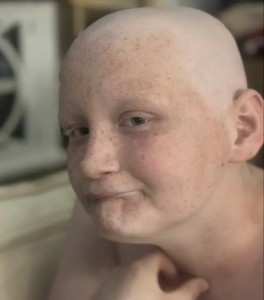
A story involving a 15-year-old boy from Alabama has recently gained widespread attention across social media platforms and online news discussions. The teenager, identified in reports as Will Roberts, is said to be battling stage 4 osteosarcoma, a rare and aggressive form of bone cancer. According to statements shared online and covered by local outlets, he has been undergoing treatment for more than a year without significant improvement from standard chemotherapy protocols.
His situation became widely known after a video he posted on Facebook began circulating rapidly online. In the video, Will described his condition and the emotional and physical challenges he and his family have been facing. The post was originally shared from his mother’s Facebook account, reportedly without her immediate knowledge, and was intended as a plea for public awareness and assistance in finding alternative treatment options.
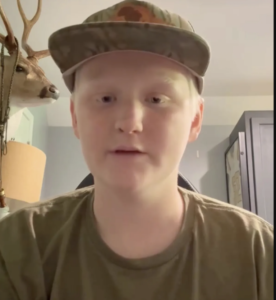
In the message, the teenager explained that his family had been researching experimental treatment possibilities in hopes of finding a solution after conventional treatments had not been successful. He also expressed concern not only for his own survival, but for other children facing similar diagnoses, emphasizing the importance of access to emerging therapies for pediatric cancer patients in the future.
One of the treatments mentioned in connection with his story is DeltaRex-G, an experimental cancer therapy that has been studied in limited clinical contexts. According to publicly available medical references, including discussions in research databases, DeltaRex-G has shown potential in some cases of advanced cancer, though it remains under ongoing study and is not widely approved as a standard treatment option.
The emotional nature of the video contributed significantly to its viral spread. Within days of being posted, it reportedly reached millions of views across multiple platforms. Many viewers responded with messages of support, sharing the video in hopes of increasing visibility and potentially connecting the family with medical specialists or financial assistance.
As the video continued to circulate, it reportedly reached individuals outside the immediate online audience, including public figures and private citizens who shared it further. Some reports indicate that the content was forwarded through personal and political networks, increasing its visibility at a national level. However, the exact extent of direct involvement by political leaders has not been fully independently verified in all sources.
In parallel with the viral spread, discussions about the case reached healthcare professionals and advocacy groups. Medical experts often emphasize that in rare and advanced cancer cases, families sometimes seek experimental treatments when conventional options have been exhausted. However, such treatments typically require specialized approval processes, clinical eligibility, and significant financial resources.
According to reports, medical coordination efforts later helped connect the family with a specialized treatment center in California, known for working with complex sarcoma cases. The involvement of medical administrators and healthcare officials was described in some coverage as part of an effort to assist the family in navigating available options. These developments reflect the broader challenges families often face when dealing with rare and aggressive cancers.
At the same time, the financial burden associated with experimental treatment has been a major concern. Reports suggest that the estimated cost of treatment and associated care is extremely high, in addition to existing expenses already incurred by the family for travel, lodging, and prior medical care. As a result, online fundraising efforts were initiated to help support the costs.
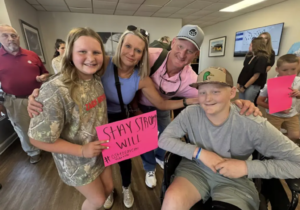
A crowdfunding campaign was launched to assist the Roberts family, quickly gaining traction as the story spread. Donations reportedly came from individuals across the country who were moved by the teenager’s message and the urgency of his condition. The fundraiser emphasized the family’s character and community involvement, describing them as supportive and compassionate toward others in need.
As of the latest publicly shared updates, the campaign has raised a significant amount of financial support, surpassing initial expectations. However, ongoing treatment costs remain substantial, and continued assistance is being sought to ensure long-term access to care. The situation highlights the broader issue of medical affordability in complex cancer cases, particularly when experimental treatments are involved.
Beyond the medical and financial aspects, the emotional impact of the story has also drawn widespread attention. The teenager’s message reflected not only his personal struggle but also his desire to contribute to future improvements in cancer treatment accessibility. He expressed hope that even if his own outcome is uncertain, his experience might help others gain access to promising therapies more easily in the future.
This perspective has resonated with many people who have followed the story online. Social media users have shared messages of encouragement, sympathy, and admiration for his outlook. The combination of youth, medical struggle, and advocacy has contributed to the widespread emotional response seen across digital platforms.
Medical professionals generally note that osteosarcoma is a serious condition that requires aggressive treatment, and outcomes can vary significantly depending on timing, response to therapy, and disease progression. While new treatments continue to be studied, access and eligibility remain key challenges in real-world application.
The broader discussion surrounding this case also touches on how social media has changed the way medical stories gain visibility. In earlier decades, such cases would have remained local or regional. Today, however, a single post can reach millions of viewers within days, potentially influencing public awareness, fundraising, and even medical outreach efforts.
At its core, this situation reflects a combination of modern communication, medical uncertainty, and human empathy. While many details continue to be discussed and clarified through reporting, the central theme remains the same: a young patient facing a life-threatening illness, a family seeking options, and a global audience responding to a personal story shared online.
Regardless of outcomes, the case has already contributed to wider conversations about pediatric cancer research, access to experimental treatments, and the role of public support in medical crises. It also highlights how digital platforms can amplify individual voices in ways that were not possible in the past.
For now, the focus remains on the teenager’s treatment journey and the ongoing efforts to secure medical care. His story continues to circulate online as people follow updates and hope for positive developments in his condition.


0 commentaires:
Enregistrer un commentaire